

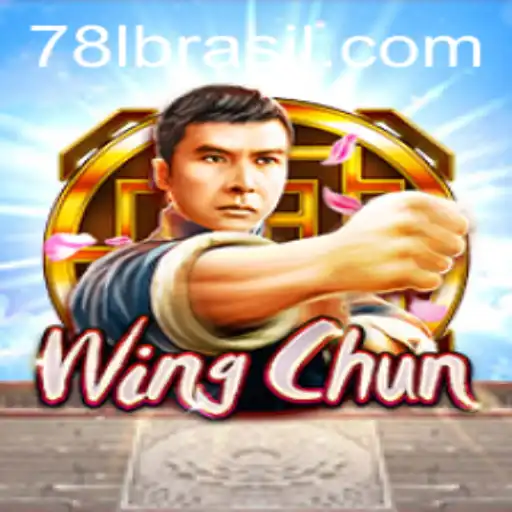
Discovering WingChun: A Strategic Marvel
WingChun is more than just a board game; it's a modern adaptation inspired by the traditional martial art form of Wing Chun, seamlessly blending strategy, skill, and a dash of chance. The game captures the essence of martial arts philosophy, requiring players to think several steps ahead, anticipate their opponent's moves, and adapt quickly to changing circumstances. Engaging in this game offers not only entertainment but also an opportunity to hone strategic thinking akin to a grandmaster’s tactical planning.
622brl.comIntroduction to WingChun
With the rise of board games that draw inspiration from historical and cultural practices, WingChun stands out as a unique entry in the realm of tabletop entertainment. Released under the code name 78L, the game has quickly gained popularity among enthusiasts who appreciate its depth and strategic complexity. Much like its martial arts counterpart, WingChun requires players to balance offense with defense, turning every game session into a battle of wits.
The board itself is a work of art, typically featuring intricate designs reminiscent of traditional Chinese motifs, reminiscent of the roots of Wing Chun. Attention to detail extends to every part of the game, from the quality of the pieces to the printed instructions, all designed to immerse players fully in the experience.
The Game's Core Mechanics
At its heart, WingChun is a two-player game that unfolds on a grid. Each player controls a set of pieces representing various martial artists, each with unique abilities and movement patterns. A central aspect of the game involves predicting and countering the opponent's strategies while advancing one’s pieces across the board.
Victory conditions may vary but typically involve capturing the opponent's central piece, analogous to the king in chess. However, unlike chess, WingChun offers multiple paths to victory, allowing players to capitalize on different strategies, whether aggressive, defensive, or a balanced approach. This multifaceted gameplay ensures that no two matches are ever the same, keeping players engaged and challenged.
Game Rules
The elegance of WingChun lies in its straightforward rules paired with complex outcomes. Players begin by selecting their pieces, each represented by martial arts icons, and placing them on the designated starting positions on their side of the board. The game progresses in alternating turns, each allowing a player to move a piece in accordance with its specific movement capabilities. Some pieces may move straight, while others might move diagonally or even jump over others, similar to a knight in chess.
66GGCapturing opposing pieces often involves landing on the occupied square, though some units possess special abilities to capture from an adjacent position, emphasizing Wing Chun’s essence of close combat. These diverse capturing mechanics introduce layers of difficulty and strategy as players plan multi-turn sequences to outmaneuver and weaken their opponent.222o
An important strategic element in WingChun involves the concept of energy balance. As a piece moves or captures, it simultaneously gains or loses energy based on its actions, simulating exertion in a martial arts duel. Maintaining a balance between energy expenditure and recovery can be critical, as running low on energy severely limits a piece’s capabilities, leaving it vulnerable to strategic counterattacks.
WingChun in Today's Context
337BETIn the context of current events, WingChun comes at a time when cultural appreciation and mindfulness practices are experiencing a resurgence. Amidst global challenges, many people are turning towards activities that promote mental agility and relaxation—qualities embodied by WingChun. The game's design, focused on calculated moves and mental fortitude, offers a welcome respite from daily stresses, making it popular among diverse age groups and communities.
Furthermore, as conversations about cultural heritage continue to gain prominence, WingChun contributes to a larger dialogue about preserving and appreciating ancient wisdom through modern reinterpretations. By engaging with the game, players find themselves participating in a broader cultural exchange, learning about and respecting the philosophies that have shaped such timeless disciplines as martial arts.
Conclusion: Embracing the Challenge
WingChun is not just a game; it's a journey into the strategic mind of a martial artist. Whether played casually among friends or competitively in tournaments, it offers profound insights into human thinking and the art of strategy. Its unique balance of simplicity and depth ensures that WingChun will continue to capture the imaginations of players worldwide.
393bet